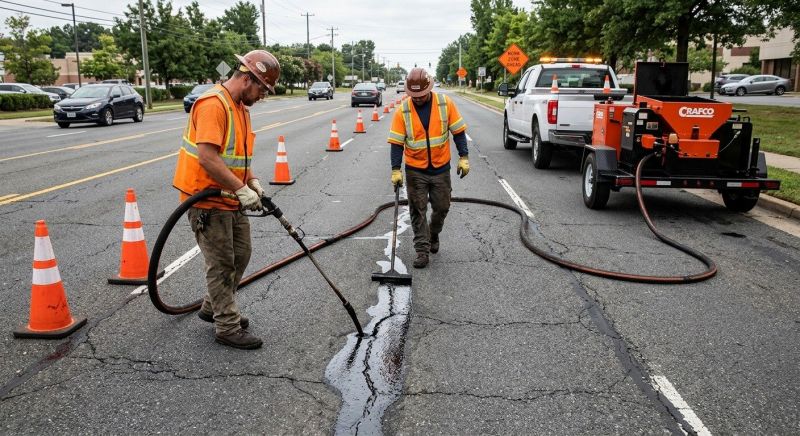
Asphalt Crack Sealing in Denver, CO
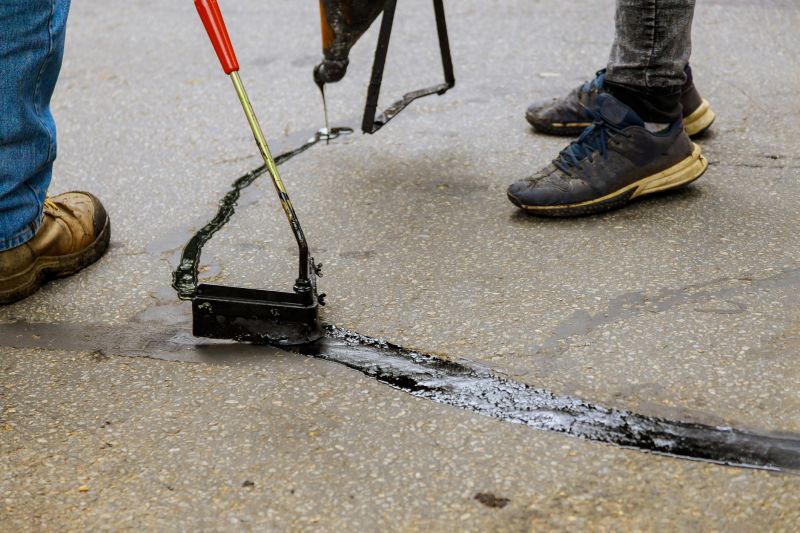
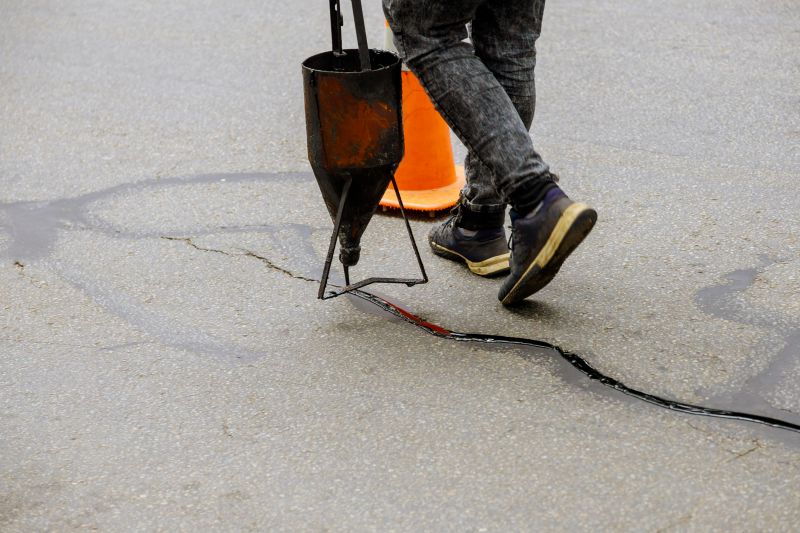
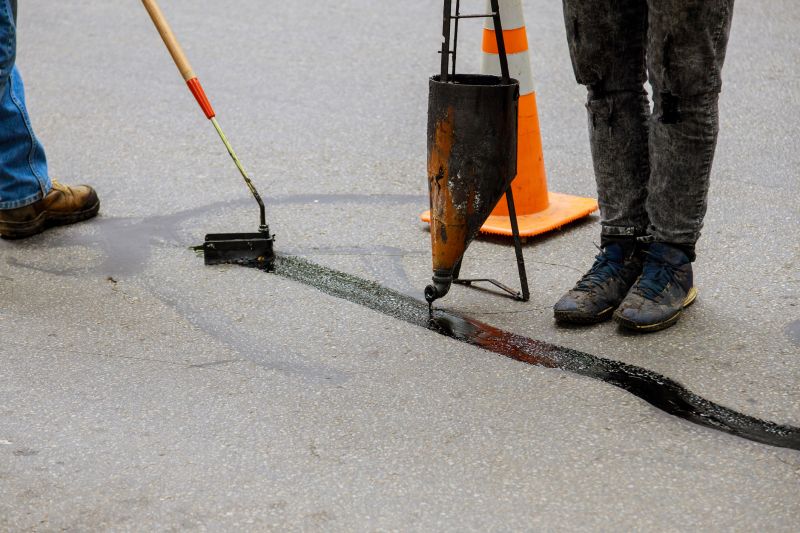
Asphalt crack sealing is a maintenance service designed to address and prevent damage in existing asphalt surfaces, such as driveways, parking lots, and pathways. The process involves filling and sealing cracks to prevent water infiltration, which can lead to further deterioration like potholes or larger cracks. This service is suitable for various projects, whether repairing small areas or maintaining extensive asphalt surfaces, helping to extend the lifespan and maintain the appearance of the pavement.
Property owners typically seek asphalt crack sealing when they notice cracks forming or to prepare surfaces for the upcoming seasons. Before requesting this service, it is helpful to understand the extent of cracking, the size of the cracks, and whether there are any underlying issues like uneven surfaces or drainage problems. Proper assessment ensures that crack sealing is performed effectively, contributing to a smoother, more durable asphalt surface over time.
Many property owners in Denver, CO look into Asphalt Crack Sealing for repairs, replacements, upgrades, and appearance-related improvements.
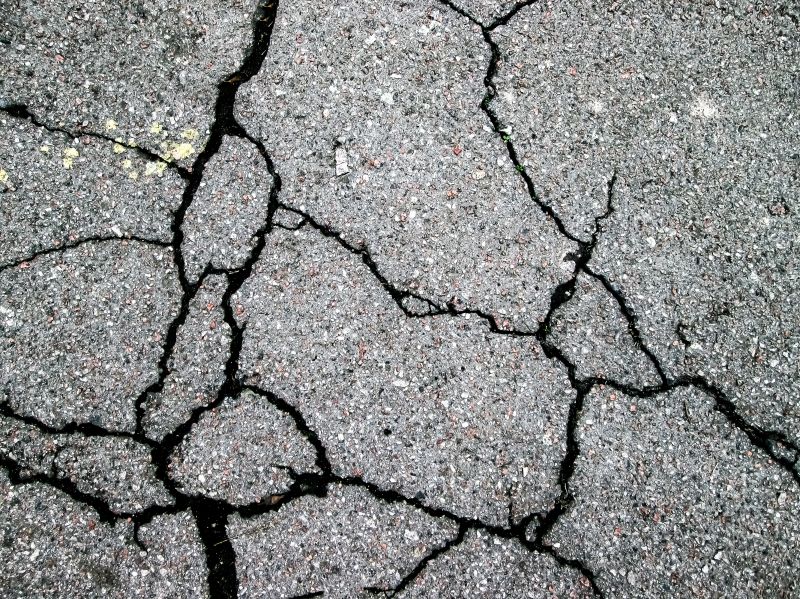
Preventing Further Damage
Sealing cracks helps protect asphalt surfaces from water infiltration and deterioration.
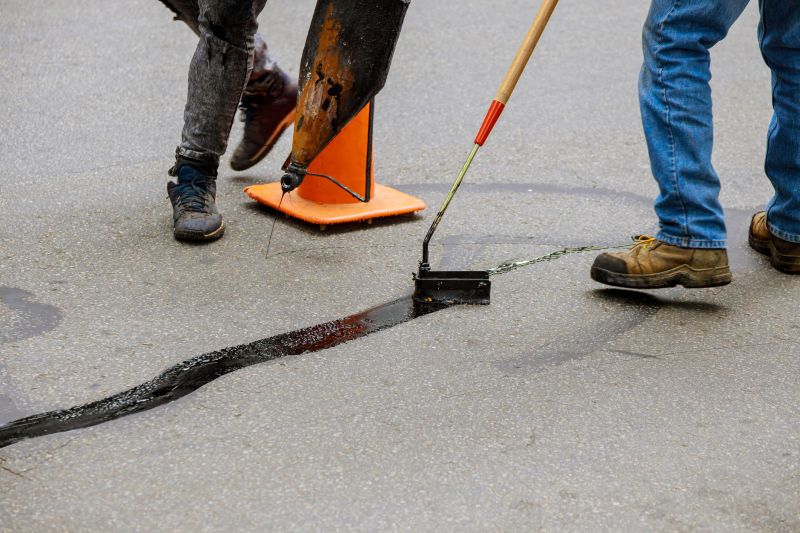
Maintaining Pavement Integrity
Proper crack sealing extends the lifespan of driveways, parking lots, and pathways in denver neighborhoods.
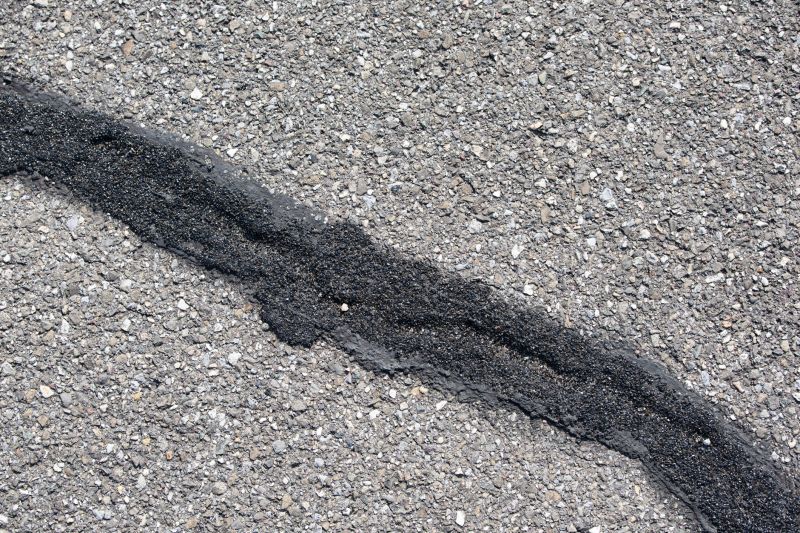
Enhancing Curb Appeal
A well-maintained asphalt surface with sealed cracks improves the overall look of residential and commercial properties.
Asphalt Crack Sealing in Denver, CO

Asphalt crack sealing is a maintenance service designed to address and prevent damage in existing asphalt surfaces, such as driveways, parking lots, and pathways. The process involves filling and sealing cracks to prevent water infiltration, which can lead to further deterioration like potholes or larger cracks. This service is suitable for various projects, whether repairing small areas or maintaining extensive asphalt surfaces, helping to extend the lifespan and maintain the appearance of the pavement.
Property owners typically seek asphalt crack sealing when they notice cracks forming or to prepare surfaces for the upcoming seasons. Before requesting this service, it is helpful to understand the extent of cracking, the size of the cracks, and whether there are any underlying issues like uneven surfaces or drainage problems. Proper assessment ensures that crack sealing is performed effectively, contributing to a smoother, more durable asphalt surface over time.
Many property owners in Denver, CO look into Asphalt Crack Sealing for repairs, replacements, upgrades, and appearance-related improvements.
Common Asphalt Crack Sealing Jobs
Residential driveways - sealing cracks helps prevent water damage and extends pavement life.
Commercial parking lots - maintaining crack seals reduces trip hazards and keeps surfaces safe.
Sidewalks and pathways - crack sealing preserves surface integrity and minimizes trip risks.
Garage aprons - sealing cracks prevents further deterioration and maintains curb appeal.
Public access areas - crack sealing helps keep walkways smooth and safe for pedestrians.
Repaired and patched surfaces - crack sealing is an essential step before applying new asphalt layers.
Asphalt Crack Sealing Questions
What is asphalt crack sealing? Asphalt crack sealing involves filling and sealing cracks in the pavement to prevent water infiltration and further damage.
Why should property owners consider crack sealing? Sealing cracks helps extend the lifespan of asphalt surfaces and maintains a smooth, safe surface for vehicles and pedestrians.
What types of cracks are suitable for sealing? Common cracks such as longitudinal, transverse, and block cracks can be effectively sealed to prevent deterioration.
When is the best time to have crack sealing done? The optimal time for crack sealing is during dry weather when temperatures are moderate, ensuring proper adhesion and curing.
Request Asphalt Crack Sealing in Denver, CO
Use the quote form on this page to share the basics of your project and request more information for the type of work you need.